
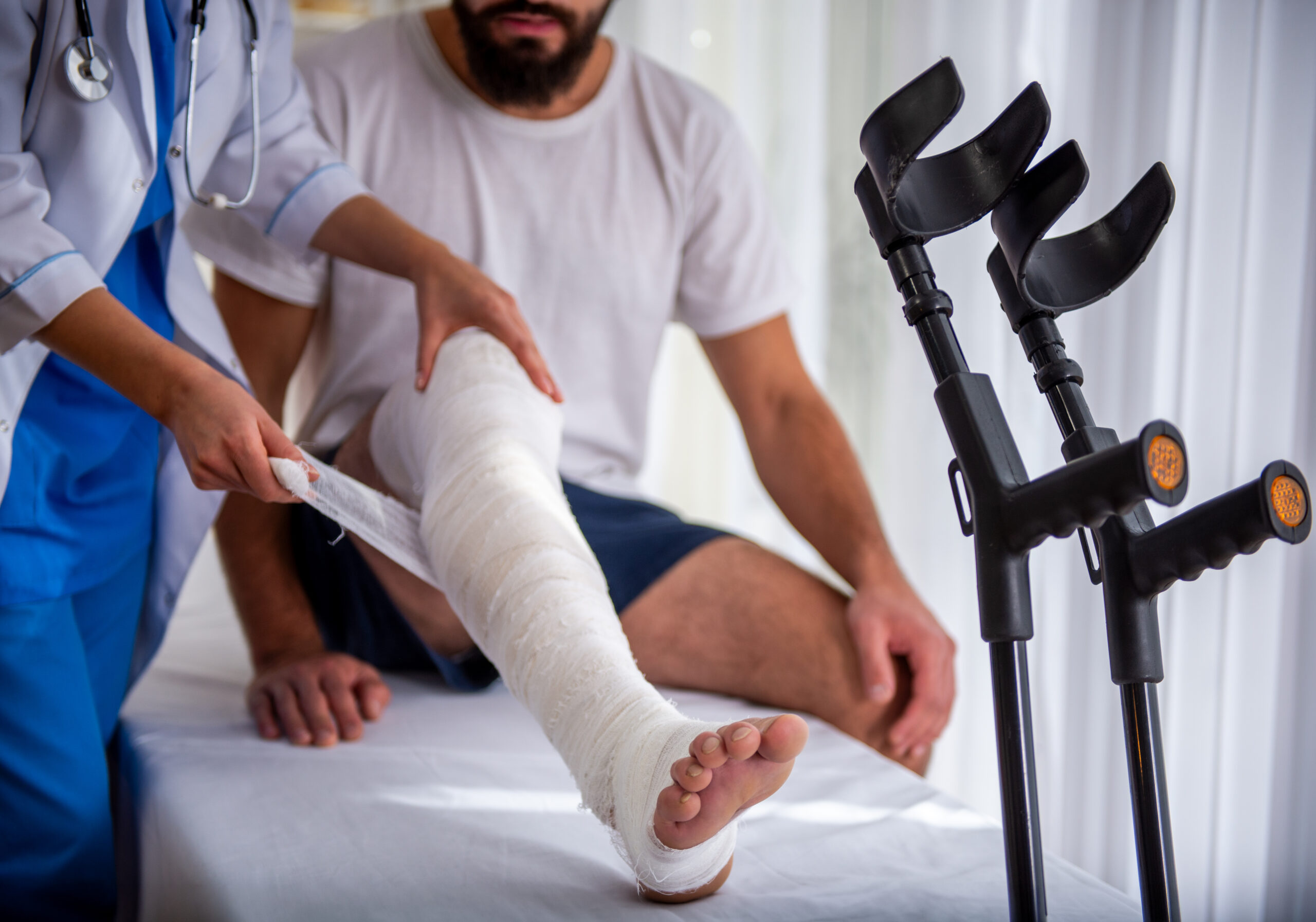
Yes, in almost every case. An amputation injury attorney in Coral Springs matters here because limb loss is permanent, the costs stretch across decades, and insurers rarely price that correctly on their own.
A settlement that looks generous today can run out before your second prosthesis. The real question is not if you need help, but which type of claim you actually have.
That answer depends on where the injury happened and who caused it.
How People Lose Limbs in South Florida
Traumatic amputation comes from a short list of causes. Motor vehicle crashes lead the way, followed by workplace machinery, then defective products and medical errors.
Limb loss is far more common than most people assume. A 2024 study commissioned by the Amputee Coalition estimated more than 5.6 million.
Americans live with limb loss or limb difference, including nearly 2.3 million with limb loss. Lower limb amputations account for about 83% of cases compared with 17% for upper limbs.
Around Coral Springs, I see four recurring patterns:
- Motorcycle riders crushed under a turning vehicle.
- Construction and warehouse workers caught in unguarded machinery.
- Truck underride crashes on the Sawgrass and US 441.
- Infections or vascular problems that turn into surgery after a treatment delay.
That last category is its own legal question. When a treatable condition gets missed, the analysis looks a lot like a missed diagnosis case rather than an accident case.
Signs You Need an Amputation Injury Attorney in Coral Springs
Reach out promptly if any of these describe your situation:
- The limb loss was surgical, not immediate. Doctors amputated days later to save your life, which means the crash still caused it.
- A machine failed or lacked a guard. Equipment makers and maintenance vendors carry separate policies.
- You were on the job. Two claims may exist at once, and the deadlines differ.
- A vehicle defect contributed. Brake, tire, and restraint failures open a product claim, similar to other crashes caused by defective automobiles.
- You cannot return to your old work. Future earnings become the biggest number in the case.
- An adjuster already offered money. Early offers in limb loss cases are almost always premature.
Riders face special exposure. Florida’s rules on coverage and protective gear affect these claims directly, which is why I write about motorcycle helmet rules so often.
Workplace Amputations Run on Two Separate Tracks
Losing a limb at work triggers workers’ compensation automatically. You do not have to prove anyone was careless. Medical treatment, prosthetics, and partial wage replacement flow from that system, and Florida treats major limb loss as catastrophic for benefit purposes.
The tradeoff is severe. Under Florida Statute § 440.11, an injured employee generally cannot sue the employer for negligence, so there is no recovery from the employer for pain and suffering.
The narrow exception requires clear and convincing proof that the employer knew the conduct was virtually certain to cause injury and concealed the danger, and even an OSHA violation is not enough on its own.
So the money for human losses has to come from somewhere else. That somewhere is the third party: the equipment manufacturer, a subcontractor, a property owner, a delivery driver.
Filing both claims correctly, and coordinating the lien between them, is where cases get won or lost.
Anyone hurt on the job should understand the workers’ compensation benefits available before signing anything.
What a Limb Loss Case Is Actually Worth
The hospital bill is the smallest part. Federal data puts lifetime healthcare costs for people with limb loss at roughly $509,275, compared with about $361,200 for people without it. Prosthetic devices alone commonly run from $5,000 to $50,000 or more depending on the technology, and they wear out.
A properly built claim accounts for:
- Replacement prostheses across your remaining lifespan
- Home and vehicle modifications
- Ongoing physical therapy and residual limb care
- Mental health treatment, which the limb loss community reports at high rates
- Lost earning capacity, not just wages already missed
- Pain, disfigurement, and loss of enjoyment of life
Retraining is often the difference between a modest recovery and a stable future, so vocational rehabilitation evidence belongs in the file early. The valuation approach mirrors what I use for other permanent harms, including catastrophic injury settlements involving the spine.
Understanding the types of compensation Florida allows helps you judge any number an insurer puts in front of you.
The Deadlines and Evidence That Decide These Cases
Florida gives you two years from the date of injury for a negligence claim. Product cases add another layer, because the machine or vehicle part must be preserved exactly as it was.
Do not let anyone repair, scrap, or return the equipment. I send preservation letters within days for that reason. Photographs of guards, warning labels, service records, and the scene itself carry real weight later.
Medical documentation matters just as much. Amputation cases rely on treating physicians, prosthetists, and life care planners speaking in one consistent voice about your future.
Building that record deliberately is how you maximize your recovery instead of settling into the unknown.
Deciding Your Next Step After Limb Loss
If you lost a limb because of a crash, a machine, a product, or a medical error, get an evaluation before you talk numbers with anyone.
The permanence of the injury is exactly what makes an early settlement dangerous.
Most consultations are free, and the two-year clock starts on the day you were hurt, not the day you finish treatment.